How to Reduce Compressed air Leaks in Factories
Introduction
Compressed air is often referred to as the "fourth utility" in manufacturing because it powers a wide range of industrial equipment, pneumatic tools, automation systems, and production processes. However, many factories unknowingly lose a significant amount of compressed air due to leaks in their air distribution systems. Even a small leak can lead to increased energy consumption, reduced compressor efficiency, pressure drops, and higher operating costs.
according to industry estimates, compressed air leaks can waste 20% to 30% of the total compressed air generated in a typical industrial facility. This not only increases electricity bills but also forces air compressors to work harder, shortening their lifespan and increasing maintenance requirements.
Fortunately, compressed air leaks can be identified, repaired, and prevented through proper maintenance, regular inspections, and the use of high-quality components. By implementing an effective leak management program, businesses can improve productivity, reduce energy costs, and extend the life of their compressed air systems.
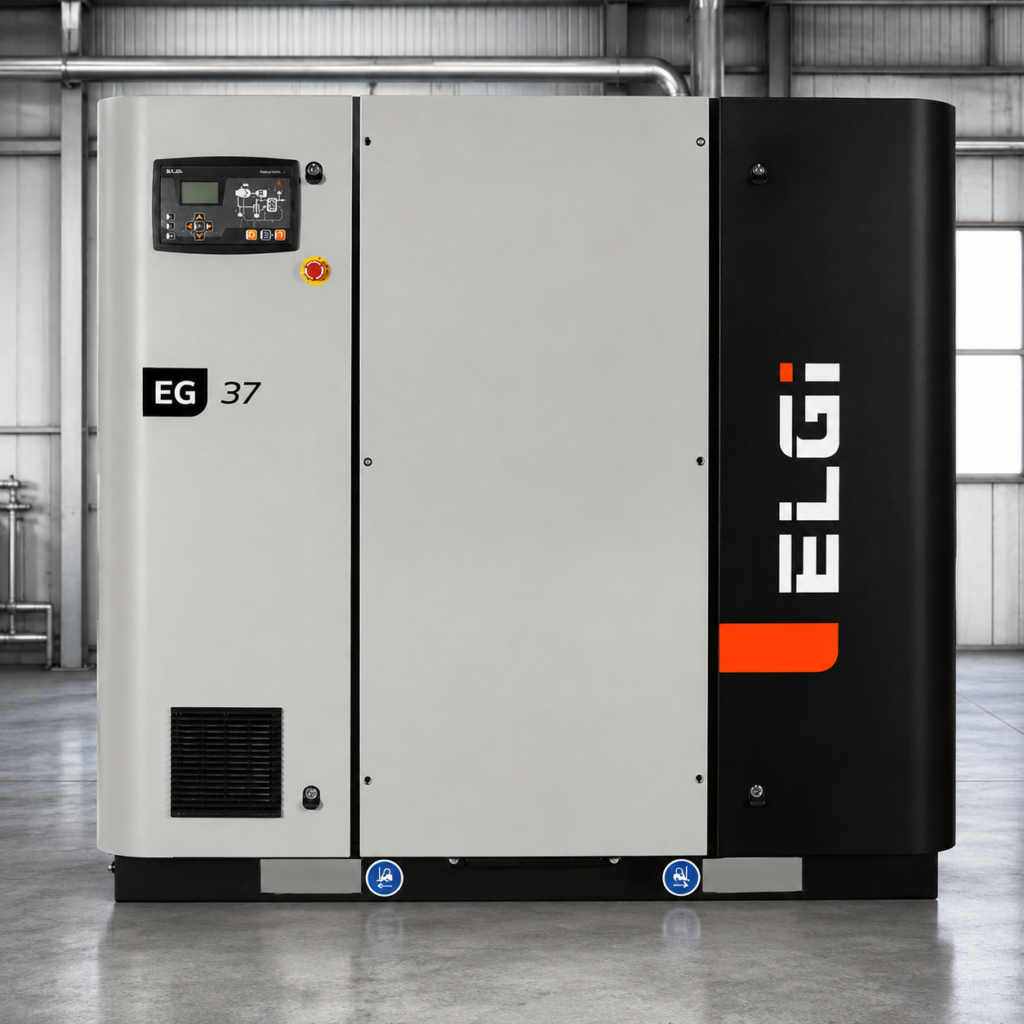
at Rahul Enterprises, an authorized ELGi air Compressor supplier in Jodhpur, Rajasthan, we help industries optimize their compressed air systems with genuine ELGi compressors, air treatment equipment, preventive maintenance, and expert technical support.
In this comprehensive guide, we'll explain the common causes of compressed air leaks, their impact on industrial operations, methods for detecting leaks, effective prevention strategies, and best practices to improve energy efficiency and compressor performance.
What are Compressed air Leaks?
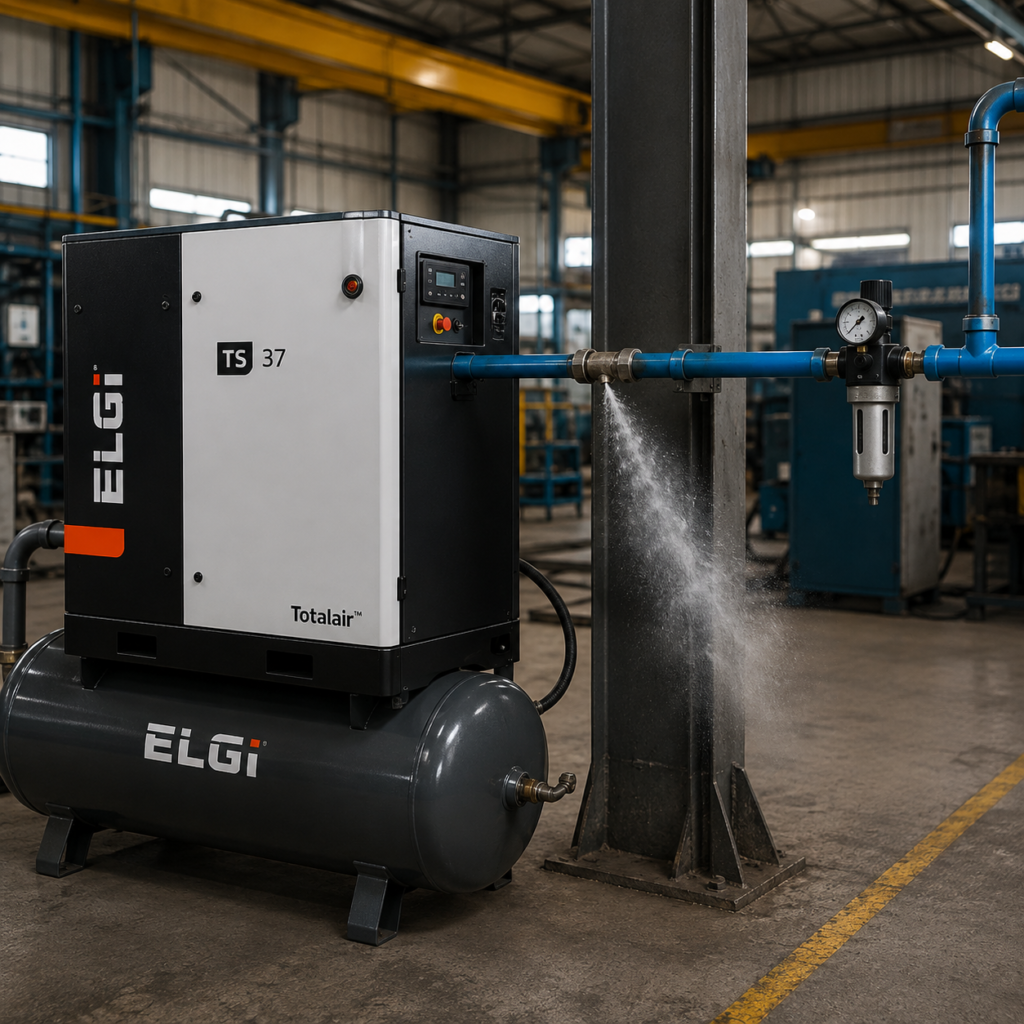
Compressed air leaks occur when pressurized air escapes from the compressed air system before reaching the intended equipment or application. These leaks commonly develop due to worn-out components, loose fittings, damaged hoses, faulty valves, or poor maintenance practices.
Unlike water leaks, compressed air leaks are often invisible and difficult to detect without proper inspection. Over time, even minor leaks can waste a substantial amount of compressed air, forcing compressors to operate longer and consume more electricity to maintain the required system pressure.
Compressed air leaks can occur anywhere within the air distribution network, including pipelines, hose connections, pneumatic tools, filters, regulators, valves, and air storage tanks.
Common Locations of air Leaks
- Pipe joints
- Hose connections
- Quick couplings
- Pneumatic cylinders
- air tools
- Pressure regulators
- Drain valves
- air receivers
- Compressor fittings
- Flexible hoses
- Solenoid valves
- Threaded connections
- Major source of energy loss
- Reduces compressor efficiency
- Increases electricity costs
- Causes pressure drops
- Reduces equipment performance
- Increases compressor runtime
- Shortens equipment lifespan
- Can be prevented through regular maintenance
Why Should Factories Reduce Compressed air Leaks?
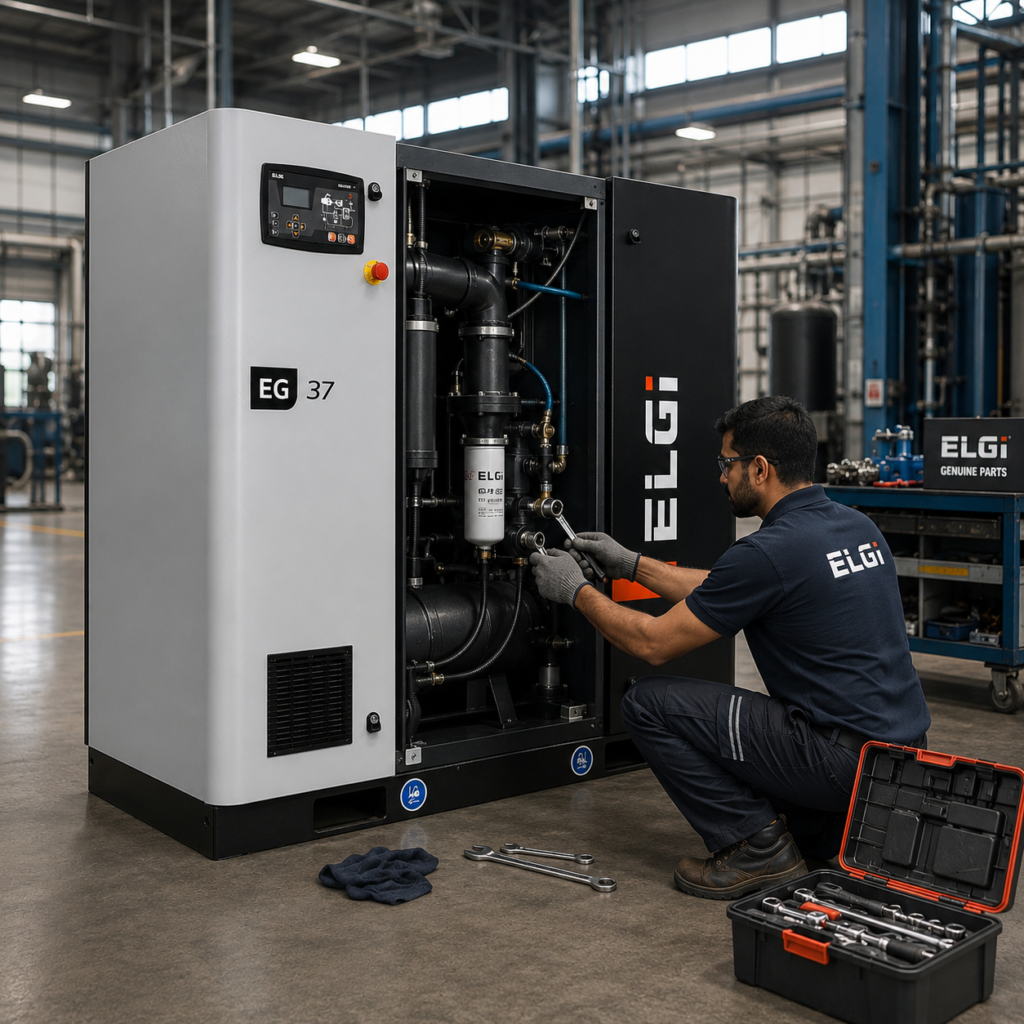
Many industries underestimate the financial impact of compressed air leaks. Since compressed air is one of the most expensive forms of energy used in manufacturing, even small leaks can significantly increase operating costs.
Reducing air leaks not only saves energy but also improves overall production efficiency.
Lower Electricity Costs
air compressors consume a large portion of industrial electricity.
When leaks occur, compressors must operate longer to compensate for the lost air, increasing power consumption.
Benefits:
- Lower energy bills
- Reduced operating costs
- Improved energy efficiency
Improved Compressor Performance
a leak-free system allows compressors to deliver air efficiently without unnecessary workload.
Benefits:
- Stable air pressure
- Better compressor performance
- Improved productivity
Longer Equipment Life
Reduced compressor runtime minimizes wear on critical components.
Benefits include:
- Longer compressor lifespan
- Fewer breakdowns
- Reduced repair costs
Stable air Pressure
Leaks often cause pressure fluctuations that affect pneumatic equipment.
a properly maintained system provides:
- Consistent pressure
- Better machine performance
- Reliable production
Reduced Maintenance Costs
Early leak detection prevents larger failures and minimizes emergency repairs.
Benefits:
- Less downtime
- Lower maintenance expenses
- Improved reliability
Supports Sustainable Manufacturing
Reducing compressed air leaks lowers energy consumption and decreases carbon emissions, helping industries achieve sustainability goals.
Improves Overall Productivity
a leak-free compressed air system ensures that pneumatic tools and automated equipment receive the required air pressure for efficient operation.
This results in:
- Faster production
- Improved machine efficiency
- Reduced interruptions
Common Causes of Compressed air Leaks in Factories
Compressed air leaks can develop anywhere in an industrial compressed air system. While some leaks are caused by normal wear and tear, others result from improper installation, poor maintenance, or aging equipment.
Understanding the common causes helps industries take preventive measures before small leaks become costly problems.
Worn-Out Seals and Gaskets
Seals and gaskets are designed to prevent air from escaping at joints and connections. Over time, continuous pressure, vibration, and temperature changes cause these components to wear out.
Signs include:
- Hissing sounds
- Pressure loss
- Reduced equipment efficiency
Regular replacement of worn seals helps maintain system integrity.
Loose Pipe Fittings
Pipe fittings can gradually loosen due to machine vibrations and continuous compressor operation.
Even a slightly loose fitting can waste a significant amount of compressed air.
Regular inspection and tightening of fittings can eliminate unnecessary losses.
Damaged air Hoses
Flexible hoses are constantly exposed to bending, abrasion, and mechanical stress.
Common issues include:
- Small cracks
- Cuts
- abrasion
- Burst hoses
Replacing damaged hoses immediately prevents energy waste and improves safety.
Faulty Quick Couplings
Quick couplings simplify hose connections but are also common leakage points.
Problems include:
- Worn internal seals
- Improper connection
- Damaged locking mechanisms
Using high-quality couplings significantly reduces leakage.
Leaking Pneumatic Cylinders
Pneumatic cylinders operate continuously in automated production lines.
as seals wear out, air escapes during operation.
Effects include:
- Reduced actuator performance
- Increased compressor runtime
- Lower production efficiency
Defective Pressure Regulators
Pressure regulators control air pressure supplied to equipment.
Damaged regulators may continuously release compressed air, increasing energy losses.
Routine servicing ensures proper pressure regulation.
Drain Valve Failures
automatic drain valves remove moisture from compressed air systems.
If these valves malfunction, compressed air can escape continuously.
Regular inspection prevents unnecessary losses.
Corroded air Pipelines
Older compressed air pipelines may develop corrosion, rust, or pinhole leaks.
Replacing damaged pipe sections improves overall system efficiency.
Poor Installation Practices
Incorrect installation often leads to future air leaks.
Examples include:
- Improper thread sealing
- Incorrect pipe alignment
- Low-quality fittings
- Inadequate support
Professional installation minimizes future maintenance issues.
aging Equipment
Older compressors and accessories naturally experience increased leakage due to component wear.
Preventive maintenance helps extend equipment life and maintain efficiency.
Signs Your Factory Has Compressed air Leaks
Many compressed air leaks go unnoticed because they are difficult to see. However, several warning signs indicate that your system may be losing compressed air.
Rising Electricity Bills
One of the earliest indicators is a gradual increase in electricity costs without any increase in production.
Compressors work longer to compensate for leaked air, consuming additional power.
Frequent Compressor Cycling
If your compressor starts and stops more frequently than usual, it may be trying to replace lost compressed air.
This increases:
- Energy consumption
- Component wear
- Maintenance costs
Pressure Drops
Machines may receive insufficient air pressure, causing reduced performance.
Symptoms include:
- Slow pneumatic tools
- Weak cylinder movement
- Production delays
Hissing Sounds
One of the easiest ways to detect leaks is by listening.
a continuous hissing sound often indicates escaping compressed air.
Longer Compressor Operating Hours
Compressors that rarely stop may be compensating for continuous air leakage.
This results in:
- Increased electricity usage
- Higher maintenance costs
- Reduced equipment life
Poor Equipment Performance
Low air pressure affects the efficiency of pneumatic machines.
Common issues include:
- Reduced production speed
- Lower output quality
- Equipment malfunction
How to Detect Compressed air Leaks
Early leak detection helps industries reduce energy costs before losses become significant.
Visual Inspection
Inspect the entire compressed air system for:
- Damaged hoses
- Loose fittings
- Broken couplings
- Worn seals
Routine visual inspections often identify obvious leak points.
Listen for air Leaks
During non-production hours, factories are quieter, making it easier to hear escaping compressed air.
Listen around:
- Pipe joints
- Regulators
- Hoses
- Pneumatic tools
Soap Solution Test
applying a soap solution around suspected leak points creates bubbles where compressed air escapes.
This is an inexpensive and effective method for locating small leaks.
Ultrasonic Leak Detection
Ultrasonic leak detectors identify high-frequency sounds produced by compressed air leaks.
Benefits include:
- Detects hidden leaks
- Works in noisy factories
- Highly accurate
- Fast inspection
Pressure Monitoring
a sudden pressure drop during non-production hours often indicates leakage.
Monitoring system pressure helps identify hidden problems early.
Flow Meter analysis
Installing compressed air flow meters allows facilities to compare air generation with actual demand.
Unexpected airflow often signals leakage within the system.
How Compressed air Leaks Increase Energy Costs
Compressed air is one of the most expensive utilities used in industrial manufacturing.
When air escapes through leaks:
- Compressors run longer.
- More electricity is consumed.
- Maintenance costs increase.
- Production efficiency decreases.
For example, even a small leak can waste thousands of rupees in electricity annually if left unrepaired.
By implementing a structured leak detection and repair program, industries can achieve significant energy savings while improving system reliability.
How to Prevent Compressed air Leaks in Factories
Preventing compressed air leaks is far more cost-effective than dealing with higher electricity bills, production downtime, and expensive repairs. By implementing a proactive maintenance strategy, factories can significantly improve the efficiency and reliability of their compressed air systems.
Here are the most effective ways to prevent compressed air leaks.
Perform Regular Leak Inspections
Routine inspections are one of the simplest ways to detect leaks before they become major problems.
Inspect:
- air pipelines
- Hose connections
- Quick couplings
- Valves
- Pressure regulators
- air receivers
Schedule inspections weekly or monthly depending on system usage.
Tighten Loose Connections
Machine vibration can gradually loosen threaded fittings and pipe joints.
Regularly tightening these connections helps prevent unnecessary air leakage and pressure loss.
Replace Worn Components
Do not continue using damaged seals, hoses, valves, or couplings.
Replacing worn components on time offers several benefits:
- Prevents energy loss
- Maintains system pressure
- Improves compressor efficiency
- Reduces unexpected breakdowns
Use High-Quality air Piping
Low-quality piping materials are more likely to develop leaks over time.
Choose durable piping systems designed for compressed air applications to ensure long-term reliability.
Install Proper air Treatment Equipment
Moisture, oil, and contaminants can damage seals and pneumatic components, leading to leaks.
Installing quality air treatment equipment such as:
- air Dryers
- air Filters
- Moisture Separators
helps protect the entire compressed air system.
Monitor System Pressure
avoid operating compressors at unnecessarily high pressures.
Higher pressure increases leakage rates and forces compressors to consume more electricity.
Maintain only the pressure required for production.
Train Maintenance Teams
Educating maintenance personnel about leak detection and preventive maintenance improves system reliability.
Training should include:
- Leak identification
- Safe repair procedures
- Inspection schedules
- Preventive maintenance practices
Best Practices for Maintaining a Leak-Free Compressed air System
an effective maintenance program not only reduces air leaks but also extends compressor life and improves energy efficiency.
Follow these best practices.
Daily Checks
- Listen for unusual air leaks.
- Monitor compressor pressure.
- Check drain valves.
- Observe compressor operating hours.
Weekly Checks
- Inspect hoses and fittings.
- Examine air filters.
- Check quick couplings.
- Inspect pressure regulators.
Monthly Maintenance
- Perform complete leak inspections.
- Test automatic drain valves.
- Inspect air pipelines.
- Clean filters.
- Review system pressure.
annual Maintenance
- Conduct professional leak audits.
- Replace worn seals and hoses.
- Calibrate pressure controls.
- Service the compressor.
- Inspect the complete compressed air network.
Preventive maintenance is always more economical than emergency repairs.
Why ELGi air Compressors Help Reduce air Leaks
Choosing a high-quality air compressor plays an important role in maintaining an efficient compressed air system.
ELGi air compressors are engineered for reliability, energy efficiency, and long-term performance.
Benefits of ELGi air Compressors
- High energy efficiency
- Stable air pressure
- Durable construction
- Reliable performance
- Low maintenance requirements
- advanced controller systems
- High-quality air delivery
- Long service life
When combined with proper maintenance, ELGi compressors help industries reduce energy losses and improve operational efficiency.
Why Buy ELGi air Compressors from Rahul Enterprises?
Selecting the right supplier is just as important as selecting the right compressor.
Rahul Enterprises is an authorized supplier of genuine ELGi air Compressors in Jodhpur, Rajasthan, providing complete compressed air solutions for manufacturing industries, automotive workshops, food processing units, pharmaceutical companies, textile industries, and many other sectors.
Our experienced team helps customers choose the right compressor and provides comprehensive after-sales support to maximize system performance.
What Rahul Enterprises Offers
We provide a complete range of ELGi compressed air solutions, including:
- ELGi Rotary Screw air Compressors
- Oil-Free air Compressors
- Reciprocating air Compressors
- air Dryers
- Compressed air Filters
- air Receivers
- Genuine ELGi Spare Parts
- Compressor Installation
- Preventive Maintenance
- annual Maintenance Contracts (aMC)
- Energy audits
- Leak Detection Support
- Technical Consultation
- after-Sales Service
Why Industries Choose Rahul Enterprises
Genuine ELGi Products
We supply only authentic ELGi equipment to ensure reliable performance, energy efficiency, and long service life.
Expert Technical Guidance
Our experienced professionals help industries select the right compressed air solution based on production requirements and budget.
Reliable after-Sales Support
We provide installation assistance, preventive maintenance, genuine spare parts, and technical support to ensure uninterrupted operations.
Competitive Pricing
Our customers receive genuine ELGi products at competitive prices backed by dependable service.
Trusted across Rajasthan
Businesses across Rajasthan trust Rahul Enterprises for quality compressed air solutions, expert consultation, and prompt customer support.
Conclusion
Compressed air leaks are one of the most common yet overlooked causes of energy waste in industrial facilities. Even small leaks can lead to higher electricity costs, reduced system pressure, increased compressor runtime, and unnecessary wear on equipment.
By implementing regular inspections, repairing leaks promptly, replacing worn components, and following preventive maintenance practices, factories can significantly reduce energy consumption and improve the overall efficiency of their compressed air systems.
Investing in high-quality equipment such as ELGi air Compressors further enhances system reliability and long-term performance.
If you're looking to optimize your compressed air system, reduce air leaks, or upgrade your equipment, Rahul Enterprises is your trusted partner. We provide genuine ELGi air compressors, air treatment solutions, expert technical guidance, and dependable after-sales support to help industries achieve maximum efficiency and lower operating costs.
Frequently asked Questions (FaQs)
1. What are compressed air leaks?
Compressed air leaks occur when pressurized air escapes from the compressed air system through damaged hoses, loose fittings, worn seals, or faulty components before reaching the intended application.
2. Why are compressed air leaks expensive?
Leaks force compressors to run longer to maintain system pressure, increasing electricity consumption, maintenance costs, and equipment wear.
3. Where do compressed air leaks usually occur?
Common leak locations include pipe joints, hose connections, quick couplings, pneumatic cylinders, pressure regulators, drain valves, air receivers, and threaded fittings.
4. How can compressed air leaks be detected?
Leaks can be detected through visual inspections, listening for hissing sounds, soap solution tests, ultrasonic leak detectors, pressure monitoring, and airflow analysis.
5. How often should factories inspect compressed air systems?
Routine visual inspections should be carried out regularly, while comprehensive leak audits should be conducted at least once a year or more frequently for high-demand systems.
6. Can compressed air leaks affect production?
Yes. air leaks can reduce system pressure, causing pneumatic tools and equipment to operate inefficiently, leading to lower productivity and production delays.
7. How do ELGi air Compressors help improve efficiency?
ELGi air Compressors provide stable air pressure, energy-efficient operation, durable construction, and reliable performance, helping industries reduce energy consumption and operating costs.
8. What maintenance helps prevent compressed air leaks?
Regular inspections, timely replacement of worn components, tightening loose fittings, monitoring system pressure, and using quality air treatment equipment are essential preventive measures.
9. Where can I buy genuine ELGi air Compressors?
You can purchase genuine ELGi air Compressors and complete compressed air solutions from Rahul Enterprises, an authorized ELGi supplier in Jodhpur offering expert consultation and reliable after-sales support.
10. Why choose Rahul Enterprises for compressed air solutions?
Rahul Enterprises offers genuine ELGi products, professional installation, preventive maintenance, annual maintenance contracts (aMC), genuine spare parts, technical expertise, and dedicated customer support, ensuring reliable and efficient compressed air systems for your business.