Compressed Air Filters Explained: Types, Functions & Benefits
Introduction
Compressed air is often called the "fourth utility" because it plays a vital role in powering industrial operations across the world. From manufacturing plants and automobile workshops to pharmaceutical companies and food processing facilities, compressed air is used to operate pneumatic tools, production equipment, automation systems, packaging machines, and countless industrial applications.
However, generating compressed air is only one part of the process. Ensuring that the compressed air is clean, dry, and free from contaminants is equally important. Air drawn into an air compressor naturally contains dust, moisture, oil vapours, microorganisms, and other airborne particles. During compression, these contaminants become concentrated, which can negatively impact both machinery and production quality if left untreated.
Contaminated compressed air can lead to equipment failure, pipeline corrosion, reduced compressor efficiency, increased energy consumption, higher maintenance costs, poor product quality, and unplanned production downtime. In industries such as pharmaceuticals, food processing, healthcare, and electronics manufacturing, contaminated air can even result in product rejection and regulatory compliance issues.
This is where compressed air filters become an essential part of every compressed air system. They remove contaminants before the air reaches downstream equipment, ensuring reliable performance, better air quality, and longer equipment life.
Whether you operate a manufacturing unit, engineering workshop, automotive plant, textile mill, pharmaceutical facility, or food processing company, investing in the right compressed air filtration system helps improve productivity while reducing long-term operating costs.
In this comprehensive guide, you'll learn everything about compressed air filters, including their types, working principles, industrial applications, benefits, maintenance tips, and how to choose the right filtration solution for your business.
What is a Compressed Air Filter?
A compressed air filter is an essential component installed within a compressed air system to remove unwanted contaminants from compressed air before it reaches pneumatic tools, industrial machinery, production equipment, or end-use applications.
The primary function of a compressed air filter is to supply clean, dry, and contaminant-free air, ensuring the efficient operation of industrial systems while protecting valuable equipment from damage.
Depending on the application, compressed air filters remove contaminants such as:
Dust particles
Dirt and debris
Moisture
Water droplets
Oil aerosols
Oil vapours
Rust particles
Pipe scale
Microorganisms
Hydrocarbon contaminants
Without proper filtration, these impurities can significantly reduce the efficiency of compressed air systems, increase maintenance costs, shorten equipment lifespan, and compromise product quality.
For this reason, compressed air filters are considered one of the most important components of any industrial compressed air treatment system.
Why is Compressed Air Filtration Important?
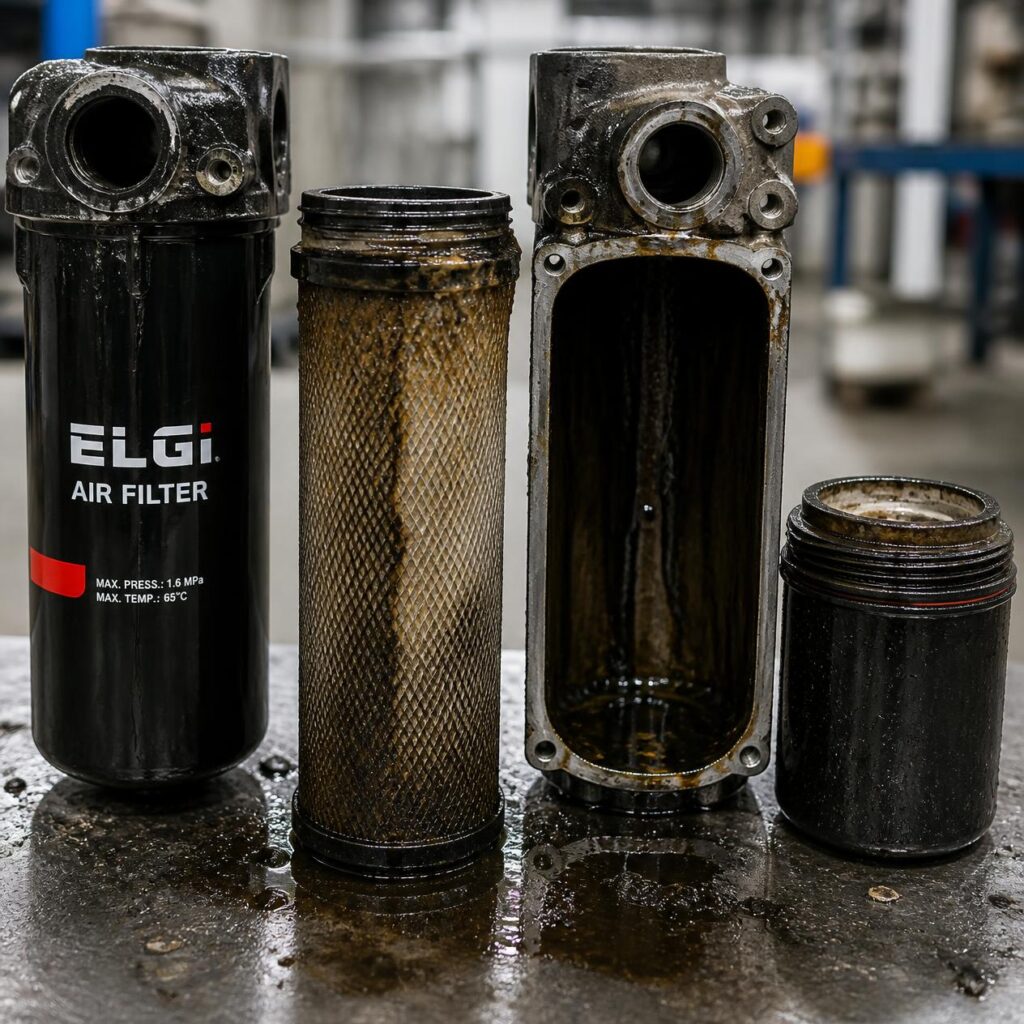
Many industries invest in high-quality industrial air compressors but underestimate the importance of compressed air filtration. Even the most advanced air compressor cannot prevent airborne contaminants from entering the compressed air system.
Atmospheric air naturally contains millions of microscopic particles, moisture, and airborne pollutants. During compression, these contaminants become highly concentrated and travel through pipelines if not removed effectively.
Proper compressed air filtration offers several important advantages.
Protects Industrial Equipment
Dust, moisture, and oil contamination can damage pneumatic cylinders, valves, actuators, CNC machines, and automation equipment. Installing high-quality filters helps protect these expensive assets and extends their operational life.
Improves Air Quality
Industries that rely on compressed air require consistent air quality to ensure smooth production processes. Clean compressed air improves equipment reliability and minimizes contamination risks.
Reduces Maintenance Costs
A properly designed filtration system reduces wear and tear on industrial equipment, resulting in fewer breakdowns, lower maintenance expenses, and improved operational efficiency.
Increases Energy Efficiency
Dirty or clogged compressed air systems often experience pressure drops that force compressors to consume more electricity. Efficient filtration helps maintain airflow and reduces overall energy consumption.
Prevents Product Contamination
Industries such as pharmaceuticals, food & beverage, healthcare, and electronics require high-purity compressed air to maintain product quality and comply with international standards.
Extends Compressor Life
Removing contaminants reduces internal wear on compressors, air dryers, valves, and pneumatic tools, helping businesses maximize their equipment investment.
Minimizes Production Downtime
Reliable compressed air ensures continuous operation, reducing unexpected shutdowns and increasing productivity.
Common Contaminants Found in Compressed Air
Understanding the contaminants present in compressed air is the first step toward selecting the right compressed air filtration system.
Dust and Solid Particles
Ambient air contains dust, dirt, pollen, soot, and microscopic airborne particles. During compression, these contaminants become concentrated and may clog valves, pipelines, and pneumatic equipment.
Common Problems
Reduced airflow
Equipment wear
Blocked valves
Increased maintenance
Lower productivity
Moisture
Water vapour naturally exists in atmospheric air. When compressed air cools, this vapour condenses into liquid water.
Excess moisture inside compressed air systems can cause rust, corrosion, bacterial growth, and damage to pneumatic equipment.
Common Problems
Rust formation
Corrosion inside pipelines
Water contamination
Reduced equipment life
Production interruptions
Oil Aerosols
Oil-lubricated air compressors may introduce microscopic oil droplets into compressed air.
If these oil aerosols are not removed, they can contaminate products and reduce the performance of downstream equipment.
Common Problems
Product contamination
Equipment damage
Increased maintenance
Reduced compressor efficiency
Oil Vapours
Even after liquid oil is removed, compressed air may still contain invisible oil vapours.
Activated carbon filters are commonly used to eliminate these vapours, especially in industries requiring ultra-clean compressed air.
Common Problems
Unpleasant odours
Product contamination
Regulatory non-compliance
Reduced air quality
Rust and Pipe Scale
Over time, compressed air pipelines develop corrosion that creates rust particles and pipe scale.
These contaminants travel through the air distribution system and damage precision equipment.
Common Problems
Pipeline contamination
Valve blockage
Increased equipment wear
Reduced production efficiency
Microorganisms
Warm, moist compressed air systems create favourable conditions for bacteria, mould, and fungi.
Industries such as pharmaceuticals, food processing, biotechnology, and healthcare must eliminate these microorganisms to maintain product safety.
Common Problems
Product contamination
Hygiene issues
Regulatory violations
Poor production quality
Signs Your Compressed Air System Needs Better Filtration
Many businesses don't realize they have an air quality problem until equipment begins to fail. Some common warning signs include:
Frequent equipment breakdowns
Excess moisture in air lines
Rust inside pipelines
Oil contamination in compressed air
Poor product quality
Increased compressor energy consumption
Pressure drops across the system
High maintenance costs
Shortened equipment lifespan
Unexpected production downtime
If you notice any of these issues, it's likely time to upgrade your compressed air filtration system.
Why Every Industrial Air Compressor Needs a Filtration System
A compressed air filter is much more than an optional accessory—it's a critical investment in the performance, reliability, and longevity of your entire compressed air system.
A well-designed filtration system helps businesses:
Improve operational efficiency
Reduce energy consumption
Protect valuable machinery
Lower maintenance expenses
Extend compressor lifespan
Improve product quality
Ensure regulatory compliance
Reduce costly production downtime
For industries where air quality directly affects productivity and product integrity, installing the right compressed air filtration solution is essential.
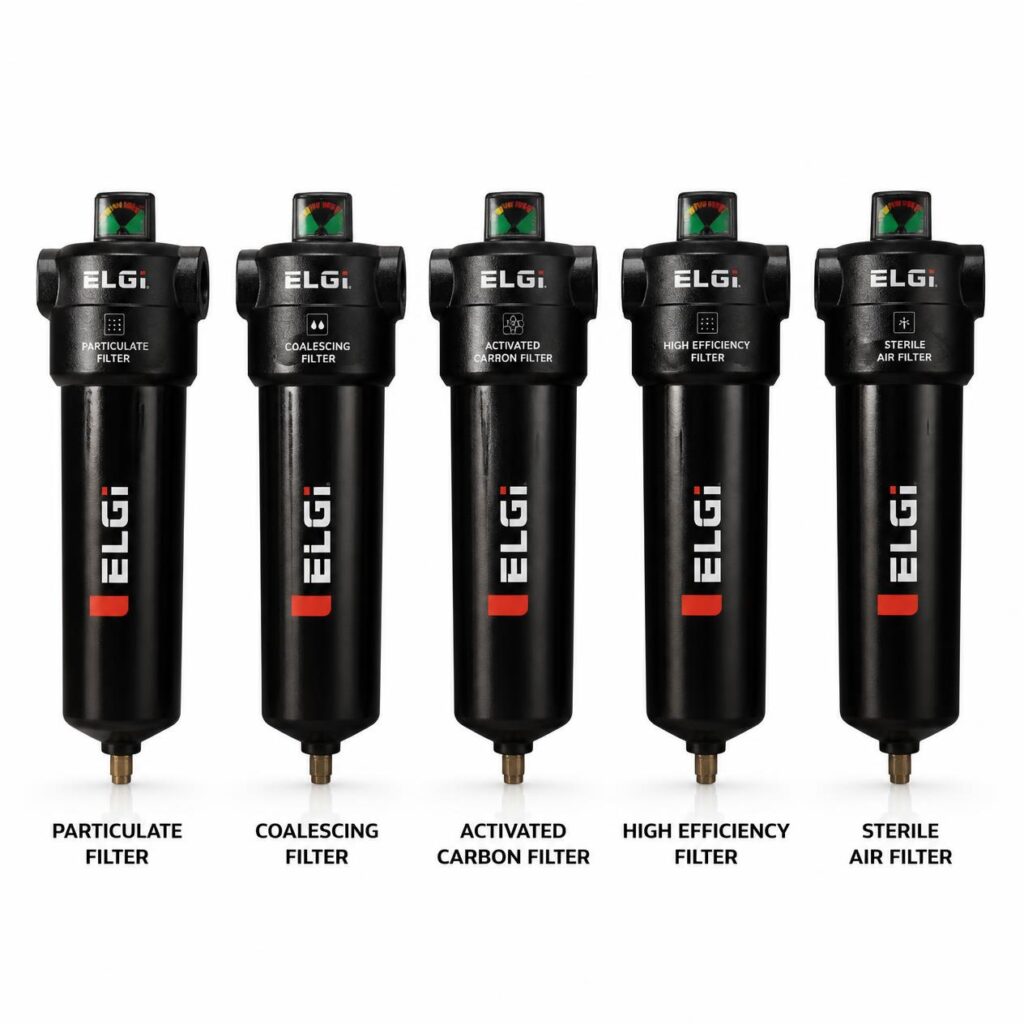
Different Types of Compressed Air Filters
Not every industrial application requires the same level of air purity. For this reason, compressed air systems use different types of filters, each designed to remove specific contaminants from the compressed air stream.
Selecting the right filter depends on several factors, including the industry, required air quality, operating pressure, airflow (CFM), and the type of contaminants present in the system. In many cases, multiple filters are installed together to create a complete compressed air treatment system that delivers clean, dry, and high-quality compressed air.
Below are the most commonly used compressed air filters in industrial applications.
H3: 1. Particulate Filters
Particulate filters are the first stage of filtration in most compressed air systems. Their primary function is to remove solid contaminants such as dust, dirt, rust, pipe scale, pollen, and other airborne particles before the compressed air reaches downstream equipment.
These filters help protect compressors, pipelines, pneumatic tools, valves, and automation systems from wear caused by solid particles.
How Particulate Filters Work
Compressed air passes through a specially designed filter element that captures solid contaminants while allowing clean air to continue flowing through the system. The trapped particles remain inside the filter until the filter element is cleaned or replaced.
Key Benefits
Removes dust and dirt particles
Protects pneumatic equipment
Prevents pipeline contamination
Improves compressor efficiency
Reduces equipment wear
Extends system lifespan
Lowers maintenance costs
Common Applications
Manufacturing plants
Engineering workshops
Textile industries
CNC machining centres
Automobile manufacturing
Fabrication units
Packaging industries
H3: 2. Coalescing Filters
Coalescing filters are designed to remove extremely fine oil aerosols, water droplets, and microscopic particles that cannot be removed by standard particulate filters.
They are among the most important filters used in industrial compressed air treatment because they provide high levels of air purity.
How Coalescing Filters Work
Tiny oil droplets and moisture suspended in compressed air pass through fine filter media. These tiny droplets merge together (coalesce) into larger droplets that are then collected and automatically drained from the system.
The result is significantly cleaner compressed air with very low oil and moisture content.
Key Benefits
Removes oil aerosols
Eliminates moisture
Improves compressed air quality
Protects downstream equipment
Prevents corrosion
Reduces maintenance expensesEnhances production quality
Common Applications
Pharmaceutical manufacturing
Food processing plants
Electronics manufacturing
Chemical industries
Medical equipment production
Precision engineering
Laboratories
H3: 3. Activated Carbon Filters
Activated carbon filters are used when extremely clean compressed air is required. Their main purpose is to remove oil vapours, hydrocarbon gases, unpleasant odours, and volatile organic compounds (VOCs) that may remain after coalescing filtration.
These filters are commonly installed
as the final stage of filtration in industries with strict air quality requirements.
How Activated Carbon Filters Work
Activated carbon contains millions of microscopic pores that absorb oil vapours and gaseous contaminants through a process called adsorption.
This produces high-purity compressed air suitable for sensitive industrial applications.
Key Benefits
Removes oil vapours
Eliminates odours
Produces ultra-clean compressed air
Improves product quality
Supports food safety and hygiene
Meets strict air quality requirements
Common Applications
Food and beverage manufacturing
Pharmaceutical production
Cosmetic manufacturing
Chemical processing
Packaging plants
Electronics industry
H3: 4. High-Efficiency Filters
High-efficiency filters provide advanced filtration for industries where compressed air must meet exceptionally high purity standards.
These filters capture ultra-fine contaminants while maintaining minimal pressure loss, helping compressors operate efficiently.
How High-Efficiency Filters Work
High-efficiency filter media capture microscopic particles through multiple filtration mechanisms, including interception, diffusion, and inertial impaction.
The result is outstanding filtration efficiency with minimal airflow restriction.
Key Benefits
Superior filtration efficiency
Low pressure drop
Reduced energy consumption
Improved compressor performance
Longer equipment life
Better production quality
Reliable operation
Common Applications
Semiconductor manufacturing
Electronics production
Aerospace industry
Clean rooms
Precision engineering
Scientific laboratories
H3: 5. Sterile Air Filters
Sterile air filters are specially designed for applications where compressed air comes into direct contact with products or production processes.
They remove bacteria, viruses, mould spores, fungi, and other microorganisms to maintain hygienic compressed air.
How Sterile Air Filters Work
Compressed air passes through highly specialized membrane filter elements capable of capturing microorganisms without restricting airflow.
These filters are often sterilized using steam during scheduled maintenance.
Key Benefits
Removes bacteria and microorganisms
Prevents product contamination
Supports sterile manufacturing
Meets hygiene regulations
Ensures consistent product quality
Common Applications
Pharmaceutical manufacturing
Biotechnology
Hospitals
Food processing
Beverage production
Medical device manufacturing
H2: How Do Compressed Air Filters Work?
Although each filter is designed to remove different contaminants, the basic principle remains the same. Compressed air flows through a specially engineered filter element that traps unwanted particles while allowing clean air to continue through the system.
Most industrial compressed air systems use multiple filtration stages to achieve the required level of air purity.
Stage 1 – Particulate Filtration
The first stage removes large solid contaminants such as dust, rust, pipe scale, and dirt.
Stage 2 – Coalescing Filtration
The second stage separates water droplets, oil aerosols, and microscopic particles from the compressed air.
Stage 3 – Air Drying (Optional but Recommended)
Many compressed air systems include a refrigerated or desiccant air dryer after coalescing filtration. Air dryers remove moisture that could otherwise cause corrosion or damage downstream equipment.
Stage 4 – Activated Carbon Filtration
This stage removes oil vapours, hydrocarbon gases, and odours to produce high-purity compressed air.
Stage 5 – Sterile Filtration (For Critical Applications)
Industries such as pharmaceuticals, food processing, and healthcare use sterile filters to eliminate bacteria and microorganisms before compressed air reaches production equipment.
This multi-stage filtration process ensures compressed air meets the required quality standards while protecting equipment and improving operational efficiency.
H2: Benefits of Using Compressed Air Filters
Installing the right compressed air filtration system offers significant long-term benefits for industrial operations.
Cleaner Compressed Air
Removes dust, moisture, oil, and contaminants to provide high-quality compressed air.
Longer Equipment Life
Protects compressors, valves, cylinders, and pneumatic tools from wear and corrosion.
Lower Maintenance Costs
Reduces equipment breakdowns, repair costs, and maintenance frequency.
Improved Product Quality
Prevents contamination in industries such as food processing, pharmaceuticals, electronics, and healthcare.
Better Energy Efficiency
Maintains proper airflow and minimizes pressure drop, reducing electricity consumption.
Reduced Downtime
Reliable compressed air helps avoid unexpected production interruptions.
Regulatory Compliance
Supports compliance with ISO 8573-1 and industry-specific air quality standards.
Increased Productivity
Clean compressed air enables machinery to operate efficiently, improving overall production output.
Higher Return on Investment
Protecting expensive equipment and reducing energy costs results in long-term savings for businesses.
Industries That Use Compressed Air Filters
Compressed air filtration is essential across a wide range of industries where clean, dry, and contaminant-free compressed air is required for efficient operations. Different industries have unique air quality requirements, but all benefit from improved equipment performance, lower maintenance costs, and enhanced product quality.
Let's explore how compressed air filters are used in various industrial sectors.
H3: Manufacturing Industry
Manufacturing plants depend heavily on compressed air for operating CNC machines, robotic arms, assembly lines, packaging systems, and pneumatic tools. Even minor contamination can reduce machine efficiency and lead to production delays.
Benefits for Manufacturing
Protects CNC machines and automation equipment
Reduces equipment downtime
Improves production efficiency
Extends the lifespan of pneumatic tools
Lowers maintenance costs
Ensures uninterrupted production
H3: Food & Beverage Industry
In the food and beverage industry, compressed air often comes into direct contact with food products during packaging, bottling, filling, conveying, and processing.
Contaminated compressed air can compromise food safety and lead to expensive product recalls.
Benefits for Food Processing
Prevents food contamination
Maintains hygiene standards
Improves product quality
Supports HACCP compliance
Helps meet food safety regulations
Reduces production risks
H3: Pharmaceutical Industry
Pharmaceutical manufacturing requires extremely clean compressed air for producing medicines, tablets, capsules, injections, and medical devices.
Even microscopic contaminants can affect product quality and regulatory compliance.
Benefits for Pharmaceuticals
Produces sterile compressed air
Removes bacteria and microorganisms
Prevents oil contamination
Supports GMP compliance
Improves production reliability
Ensures patient safety
H3: Automotive Industry
Automotive manufacturers and service workshops use compressed air for spray painting, pneumatic tools, tyre inflation, robotic assembly, and testing equipment.
Oil or moisture contamination can affect paint quality and reduce tool performance.
Benefits for Automotive Industry
Cleaner paint finishes
Longer pneumatic tool life
Reduced maintenance
Better production efficiency
Consistent compressed air quality
H3: Textile Industry
Compressed air plays an important role in spinning, weaving, cleaning, dyeing, and automation processes.
Proper filtration improves machine reliability and minimizes contamination.
Benefits for Textile Industry
Cleaner production
Better fabric quality
Reduced machine wear
Improved productivity
Lower maintenance costs
H3: Electronics Industry
Electronic components are highly sensitive to moisture, dust, and oil contamination.
Compressed air used during cleaning and assembly must meet very high purity standards.
Benefits for Electronics Manufacturing
Prevents contamination
Protects delicate components
Improves manufacturing quality
Reduces rejection rates
Supports precision manufacturing
H3: Chemical Industry
Chemical processing plants require reliable compressed air for automation systems, valves, instrumentation, and packaging.
Proper filtration helps maintain process stability and protects sensitive equipment.
H3: Healthcare & Hospitals
Hospitals and healthcare facilities use medical-grade compressed air for surgical equipment, respiratory devices, laboratory instruments, and sterilization systems.
High-quality filtration ensures patient safety and regulatory compliance.
H2: How to Choose the Right Compressed Air Filter
Choosing the right compressed air filter is just as important as selecting the right air compressor. An incorrectly selected filter can reduce efficiency, increase operating costs, and shorten equipment life.
Here are the key factors to consider before purchasing a compressed air filter.
H3: 1. Required Air Quality
Different industries require different levels of air purity.
For example:
Industry Recommended Filtration
Manufacturing Particulate Filter
Automotive Coalescing Filter
Textile Particulate + Coalescing
Food Processing Coalescing + Activated Carbon
Pharmaceutical Sterile + Activated Carbon
Electronics High-Efficiency Filters
Understanding your required air quality helps you choose the correct filtration system.
H3: 2. Air Flow (CFM)
Every compressed air filter is designed to handle a specific airflow capacity measured in CFM (Cubic Feet per Minute).
A filter with insufficient airflow capacity can create unnecessary pressure drops and reduce compressor performance.
Always select a filter with a CFM rating equal to or greater than your compressor's output.
H3: 3. Operating Pressure
Industrial compressed air systems operate at different pressure levels.
Choose a filter designed to withstand your compressor's maximum operating pressure while maintaining low pressure drop.
H3: 4. Type of Contaminants
Different filters remove different contaminants.
Contaminant Recommended Filter
Dust Particulate Filter
Dirt Particulate Filter
Water Droplets Coalescing Filter
Oil Aerosols Coalescing Filter
Oil Vapours Activated Carbon Filter
Microorganisms Sterile Filter
H3: 5. Pressure Drop
Pressure drop directly affects energy consumption.
Higher pressure drop means:
Higher electricity bills
Lower airflow
Increased compressor workload
Reduced efficiency
Selecting low-pressure-drop filters helps reduce operating costs.
H3: 6. Maintenance Requirements
Consider:
Ease of filter replacement
Spare part availability
Service intervals
Maintenance cost
Technical support
Easy-to-maintain filters minimize downtime and improve productivity.
H2: Understanding ISO 8573-1 Air Quality Standards
One of the most important standards in compressed air systems is ISO 8573-1, the globally recognized standard for compressed air quality.
It classifies compressed air based on three contaminants:
Solid Particles
Measures the concentration and size of airborne particles.
Water
Measures the moisture content or pressure dew point of compressed air.
Oil
Measures the total oil content, including liquid oil, aerosols, and vapours.
Industries such as pharmaceuticals, food processing, electronics, healthcare, and medical manufacturing often require higher ISO air quality classes.
Choosing the right combination of filters, air dryers, and compressed air treatment equipment helps businesses achieve ISO-compliant compressed air while protecting machinery and maintaining product quality.
H2: Common Mistakes to Avoid When Choosing Compressed Air Filters
Many businesses invest significantly in industrial air compressors but overlook the importance of proper filtration.
Here are some common mistakes to avoid:
Choosing Filters Based Only on Price
Low-cost filters often have poor filtration efficiency and shorter service life.
Instead, focus on long-term performance and operating cost savings.
Ignoring Pressure Drop
A clogged or poorly designed filter increases compressor workload, leading to higher electricity consumption.
Regular monitoring of pressure drop improves efficiency.
Selecting the Wrong Filter Type
Using only a particulate filter when activated carbon filtration is required can lead to contamination and product quality issues.
Always match the filter type to your application.
Delaying Filter Replacement
Old filter elements reduce airflow and increase operating costs.
Replace filter elements according to the manufacturer's recommendations.
Skipping Preventive Maintenance
Routine inspections help identify problems before they become expensive failures.
Preventive maintenance extends equipment life and ensures consistent air quality.
H2: Tips for Maintaining Compressed Air Filters
Installing the correct filter is only the first step. Proper maintenance ensures long-term performance and maximum energy efficiency.
Follow these best practices:
Replace filter elements at recommended intervals
Drain condensate regularly
Monitor pressure drop across filters
Inspect filter housings for leaks or corrosion
Use genuine replacement filter elements
Schedule preventive maintenance
Check air dryers regularly
Inspect compressed air pipelines
Repair air leaks promptly
Maintain service records
Regular maintenance keeps compressed air systems operating efficiently while reducing energy costs and unexpected downtime.
Why Choose Rahul Enterprises for Compressed Air Filters?
Choosing the right compressed air filter is only one part of building an efficient compressed air system. Equally important is choosing a reliable supplier who understands your industry requirements and provides genuine products backed by technical expertise.
Rahul Enterprises is a trusted supplier of ELGi Air Compressors, Compressed Air Filters, Air Dryers, and Compressed Air Treatment Solutions in Jodhpur, Rajasthan. With years of experience in the industrial air compressor industry, we help businesses select the right products based on airflow requirements, operating pressure, air quality standards, and specific industrial applications.
Whether you're installing a new compressed air system or upgrading an existing one, our experienced team provides end-to-end support to ensure your equipment performs efficiently and reliably.
What Rahul Enterprises Offers
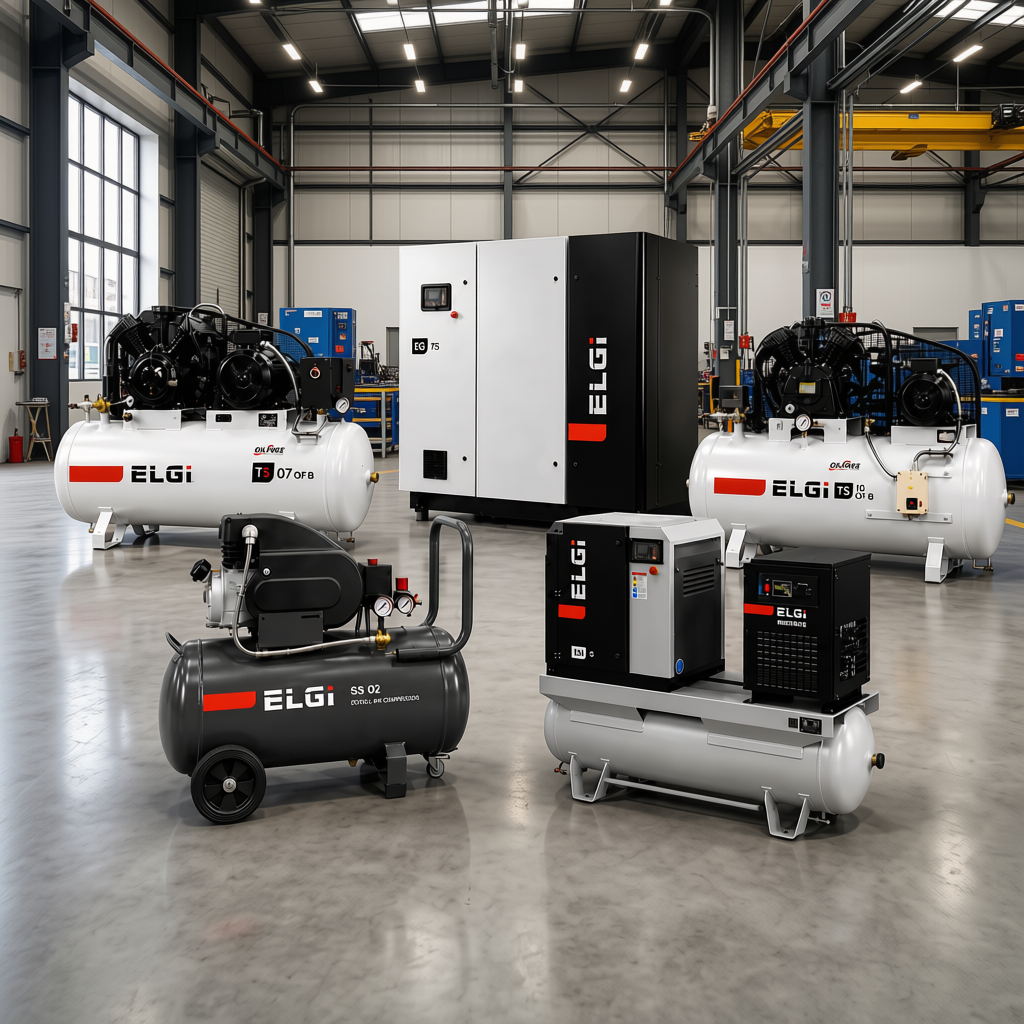
We provide a complete range of compressed air solutions, including:
Genuine ELGi Compressed Air Filters
ELGi Screw Air Compressors
Oil-Free Air Compressors
Refrigerated & Desiccant Air Dryers
Compressed Air Treatment Solutions
Air Receiver Tanks
Genuine ELGi Spare Parts
Professional Installation & Commissioning
Preventive Maintenance Services
Annual Maintenance Contracts (AMC)
Technical Consultation & System Audits
Prompt After-Sales Support
Why Industries Trust Rahul Enterprises
Businesses across Rajasthan choose Rahul Enterprises because we focus on delivering quality products, expert guidance, and long-term customer support.
Genuine ELGi Products
We supply only genuine ELGi products to ensure maximum reliability, energy efficiency, and long service life.
Expert Technical Guidance
Our experienced team helps customers select the most suitable compressed air filters and treatment solutions based on their industry requirements.
Customized Industrial Solutions
Every business has unique compressed air requirements. We recommend customized solutions that improve productivity while reducing operational costs.
Reliable After-Sales Service
From installation to routine maintenance and spare parts support, we provide dependable after-sales service to keep your compressed air system operating at peak performance.
Cost-Effective Solutions
Our focus is on helping customers reduce maintenance expenses, improve energy efficiency, and maximize return on investment.
Whether you operate a manufacturing plant, automobile workshop, pharmaceutical company, textile mill, food processing facility, or engineering unit, Rahul Enterprises is your trusted partner for complete compressed air solutions.
Conclusion
Compressed air filters play a vital role in maintaining the efficiency, reliability, and performance of industrial compressed air systems. While an air compressor generates compressed air, the filtration system ensures that the air reaching your equipment is clean, dry, and free from contaminants such as dust, moisture, oil aerosols, rust, and microorganisms.
Selecting the right compressed air filter helps protect expensive machinery, reduce maintenance costs, improve product quality, minimize production downtime, and lower energy consumption. Whether your application requires particulate filtration, oil removal, moisture control, activated carbon filtration, or sterile air treatment, choosing the correct filtration system is essential for long-term operational success.
Understanding the different types of compressed air filters, their functions, and their applications enables businesses to make informed decisions that improve productivity and extend equipment life. Regular maintenance and timely filter replacement further ensure that your compressed air system continues to operate efficiently and complies with international air quality standards.
If you're looking for genuine ELGi compressed air filters or complete compressed air treatment solutions, Rahul Enterprises offers expert consultation, professional installation, preventive maintenance, and reliable after-sales support. Our team is committed to helping industries across Rajasthan achieve cleaner compressed air, better equipment performance, and lower operating costs.
Investing in high-quality compressed air filtration today will help your business improve operational efficiency, protect valuable equipment, and ensure uninterrupted production for years to come.
Frequently Asked Questions (FAQs)
1. What is a compressed air filter?
A compressed air filter is a device that removes contaminants such as dust, moisture, oil aerosols, rust particles, and microorganisms from compressed air before it reaches industrial equipment. It helps improve air quality, protect machinery, and extend equipment life.
2. Why are compressed air filters important?
Compressed air filters prevent contamination that can damage pneumatic tools, reduce compressor efficiency, increase maintenance costs, and affect product quality. They ensure clean and reliable compressed air for industrial applications.
3. What are the different types of compressed air filters?
The most common types include:
Particulate Filters
Coalescing Filters
Activated Carbon Filters
High-Efficiency Filters
Sterile Air Filters
Each type is designed to remove specific contaminants based on the application's air quality requirements.
4. How do I choose the right compressed air filter?
The right filter depends on several factors, including:
Required air quality
Airflow (CFM)
Operating pressure
Type of contaminants
Industry application
Pressure drop
Maintenance requirements
Consulting an experienced supplier ensures you select the most suitable filtration solution.
5. How often should compressed air filters be replaced?
Replacement intervals depend on operating conditions, environmental factors, and manufacturer recommendations. Most industries replace filter elements every 6 to 12 months, but regular inspections and pressure drop monitoring provide the most accurate replacement schedule.
6. Can compressed air filters reduce energy consumption?
Yes. Clean filters maintain proper airflow and minimize pressure drop, allowing the compressor to operate more efficiently. This reduces electricity consumption and lowers overall operating costs.
7. Which industries require compressed air filtration?
Compressed air filtration is widely used in:
Manufacturing
Automotive
Food & Beverage
Pharmaceutical
Textile
Electronics
Chemical Processing
Healthcare
Packaging
Engineering Industries
8. What happens if a compressed air filter becomes clogged?
A clogged filter restricts airflow, increases pressure drop, forces the compressor to consume more energy, reduces system efficiency, and may eventually lead to equipment failure if not replaced in time.
9. Why choose ELGi compressed air filters?
ELGi compressed air filters are known for:
High filtration efficiency
Low pressure drop
Durable construction
Long service life
Reliable performance
Energy-efficient operation
Easy maintenance
These features make them ideal for demanding industrial applications.
10. Why should I buy compressed air filters from Rahul Enterprises?
Rahul Enterprises supplies genuine ELGi compressed air filters and complete compressed air treatment solutions. We provide expert consultation, professional installation, preventive maintenance, genuine spare parts, Annual Maintenance Contracts (AMC), and dependable after-sales support to help businesses maximize compressor performance and minimize operating costs.