7 Mistakes to Avoid When Buying an Industrial Air Compressor
Introduction
An industrial air compressor is one of the most valuable investments for businesses that rely on compressed air for daily operations. Whether you run a manufacturing plant, automobile workshop, textile unit, construction company, or food processing facility, selecting the right air compressor directly impacts productivity, energy efficiency, and operational costs.
However, many businesses make costly mistakes while purchasing an industrial air compressor. Choosing a compressor based only on price or overlooking important technical specifications can lead to higher electricity bills, frequent breakdowns, reduced equipment life, and expensive maintenance.
In this guide, we'll discuss the 7 most common mistakes to avoid when buying an industrial air compressor and help you make a smarter investment for your business.
Why Choosing the Right Air Compressor Matters
An air compressor is more than just a machine—it is the heart of many industrial operations. A properly selected compressor provides:
- Consistent compressed air supply
- Improved production efficiency
- Lower energy consumption
- Reduced maintenance costs
- Longer equipment lifespan
- Better return on investment
Making the wrong choice can affect your entire production process.
1. Buying Based Only on Price
One of the biggest mistakes businesses make is purchasing the cheapest compressor available.
Although a low-cost compressor may seem attractive initially, it often results in:
- Higher electricity consumption
- Frequent repairs
- Shorter equipment life
- Lower efficiency
- Increased downtime
Instead of focusing only on the purchase price, consider the Total Cost of Ownership (TCO), which includes:
- Energy costs
- Maintenance expenses
- Spare parts
- Repair costs
- Expected lifespan
A high-quality compressor may cost more initially but saves significant money over the years.
2. Choosing the Wrong Compressor Size
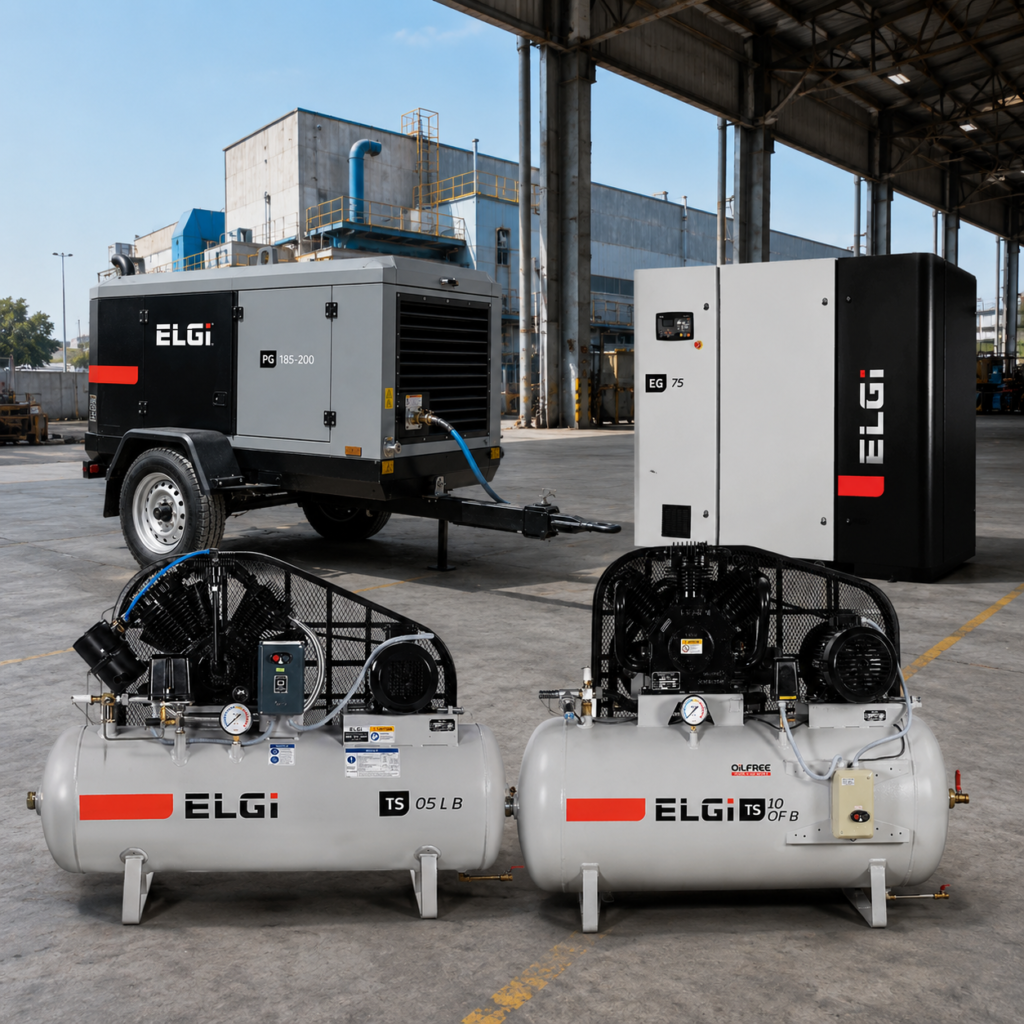
Many buyers either purchase a compressor that is too small or one that is larger than required.
Problems with an Undersized Compressor
- Insufficient air supply
- Constant overloading
- Reduced equipment life
- Production interruptions
Problems with an Oversized Compressor
- Higher electricity bills
- Increased maintenance
- Energy wastage
- Unnecessary investment
Always calculate your required:
- Air Flow (CFM)
- Operating Pressure (PSI or Bar)
- Number of connected machines
- Future expansion requirements
Proper sizing ensures maximum efficiency.
3. Ignoring Energy Efficiency
Electricity is one of the biggest operating expenses of an industrial air compressor.
Many companies overlook energy efficiency during purchase and later face high monthly power bills.
Look for compressors with:
- Energy-efficient motors
- Variable Speed Drive (VSD) technology
- Advanced control systems
- Low power consumption
- High output performance
Energy-efficient compressors reduce operating costs while improving productivity.
4. Not Considering the Application
Different industries require different types of air compressors.
Choosing the wrong compressor for your application can affect product quality and machine performance.
Examples
Manufacturing Industry
- Screw Air Compressors
Food & Beverage Industry
- Oil-Free Air Compressors
Pharmaceutical Industry
- Oil-Free Compressors
Automobile Workshops
- Piston Compressors
Construction Sites
- Portable Air Compressors
Always choose a compressor based on your industry requirements rather than selecting a general-purpose machine.
5. Overlooking Maintenance Requirements
Many buyers focus only on installation costs and ignore long-term maintenance.
Poor maintenance planning often results in:
- Unexpected breakdowns
- Expensive repairs
- Reduced efficiency
- Short equipment lifespan
Before purchasing, ask about:
- Spare parts availability
- Service network
- Maintenance schedule
- Warranty
- AMC (Annual Maintenance Contract)
A compressor with easy maintenance will save both time and money.
6. Ignoring Air Quality Requirements
Not every industry requires the same quality of compressed air.
For example:
Oil-Free Air Compressors are essential for:
- Pharmaceutical manufacturing
- Food processing
- Hospitals
- Electronics manufacturing
- Medical equipment
Using the wrong compressor may contaminate products and fail to meet industry standards.
Understanding your air quality requirements before purchasing is essential.
7. Buying Without Expert Consultation
Many businesses purchase compressors online or through unauthorized dealers without understanding their actual requirements.
An experienced supplier can help determine:
- Correct compressor capacity
- Suitable compressor type
- Energy-saving options
- Installation planning
- Future expansion
- Maintenance requirements
Professional consultation helps businesses avoid expensive purchasing mistakes.
Types of Industrial Air Compressors
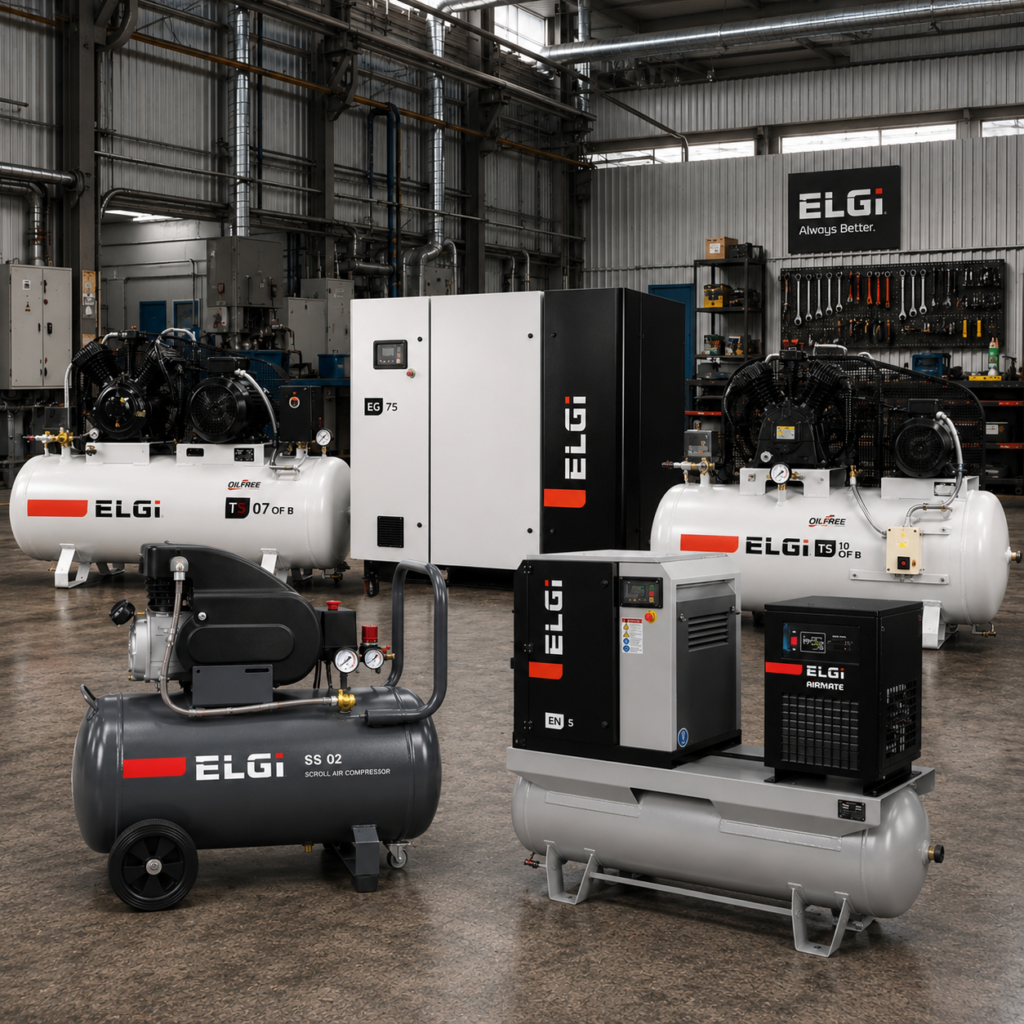
Screw Air Compressors
Ideal for continuous industrial operations.
Best For:
- Manufacturing plants
- Textile industries
- Engineering workshops
- Automotive production
Advantages
- Continuous airflow
- Energy efficient
- Low maintenance
- Quiet operation
Piston Air Compressors
Suitable for intermittent compressed air requirements.
Best For:
- Small workshops
- Garages
- Spray painting
- Service centers
Advantages
- Affordable
- Compact design
- Easy maintenance
Oil-Free Air Compressors
Designed for contamination-free compressed air.
Best For:
- Food processing
- Pharmaceutical industries
- Hospitals
- Electronics manufacturing
Advantages
- Clean air
- No oil contamination
- Meets hygiene standards
Portable Air Compressors
Ideal for outdoor operations.
Best For:
- Construction
- Mining
- Road projects
- Mobile service operations
Advantages
- Easy transportation
- Lightweight
- Reliable field performance
Tips for Buying the Right Industrial Air Compressor
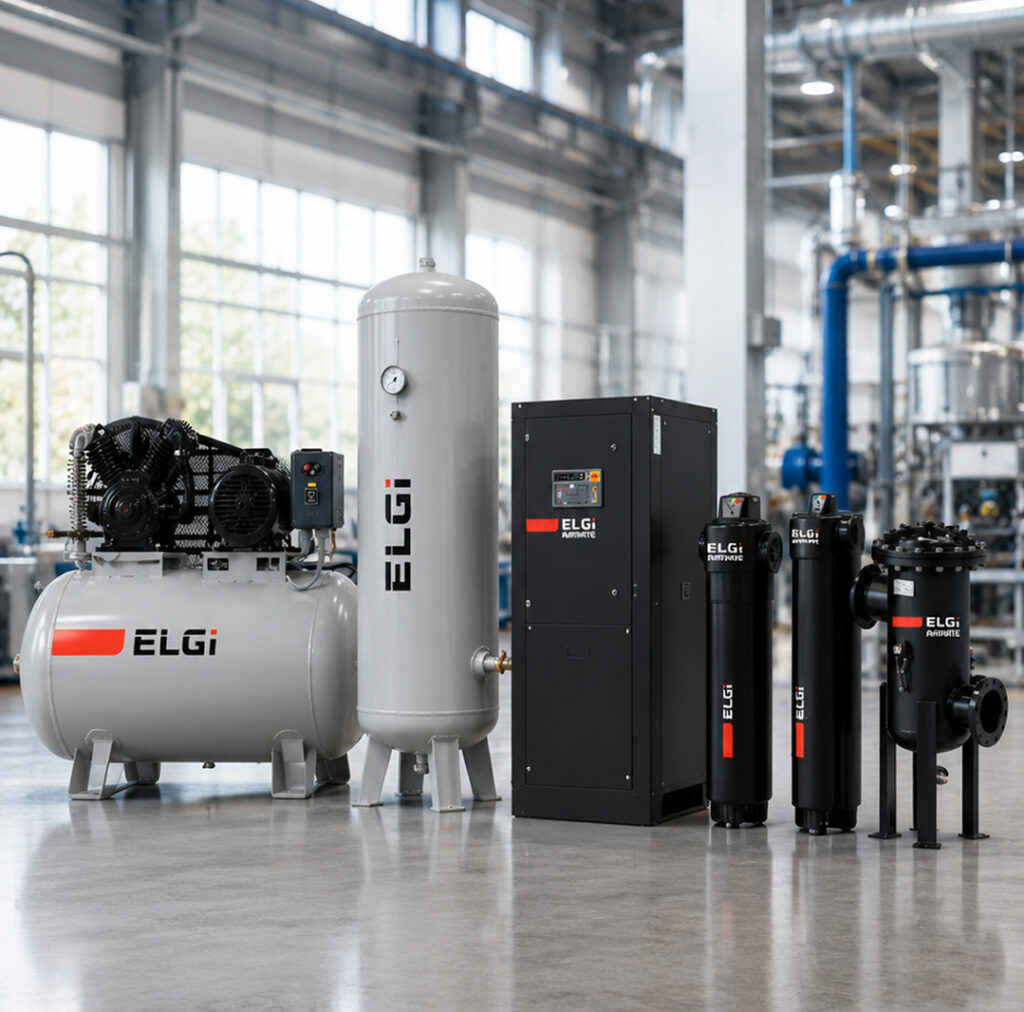
Before making a purchase, consider the following checklist:
- Calculate your required air flow (CFM)
- Determine operating pressure (PSI/Bar)
- Select the right compressor type
- Compare energy efficiency ratings
- Check maintenance requirements
- Verify warranty coverage
- Buy from an authorized supplier
- Plan for future business expansion
- Ensure availability of spare parts
- Choose a trusted brand like ELGi
Benefits of Choosing the Right Air Compressor
Selecting the right compressor offers several long-term advantages:
- Lower electricity bills
- Higher production efficiency
- Longer equipment lifespan
- Reduced maintenance costs
- Improved operational reliability
- Better air quality
- Increased productivity
- Higher return on investment
Conclusion
Buying an industrial air compressor is a long-term investment that directly affects your business performance. Avoiding common mistakes such as choosing the wrong size, ignoring energy efficiency, overlooking maintenance needs, or purchasing solely based on price can save your business significant time and money.
Whether you need a screw air compressor for continuous manufacturing, an oil-free compressor for clean air applications, or a portable compressor for field operations, selecting the right equipment ensures reliable performance, lower operating costs, and improved productivity.
By consulting experienced professionals and investing in a quality compressor, businesses can maximize efficiency while minimizing downtime and maintenance expenses.
Why Choose Rahul Enterprises?
Rahul Enterprises is a trusted supplier of ELGi Air Compressors and industrial equipment in Jodhpur, Rajasthan, providing reliable compressed air solutions for businesses across various industries.
We offer:
- Genuine ELGi Air Compressors
- Expert product consultation
- Energy-efficient industrial solutions
- Professional installation support
- Timely maintenance services
- Genuine spare parts
- Affordable pricing
- Reliable after-sales support
Whether you require a screw compressor, piston compressor, oil-free compressor, or portable air compressor, Rahul Enterprises helps you choose the ideal solution based on your industrial requirements.
FAQs
1. What should I consider before buying an industrial air compressor?
You should evaluate air flow (CFM), operating pressure, compressor type, energy efficiency, maintenance requirements, and your industry application before making a purchase.
2. Why is compressor sizing important?
An undersized compressor cannot meet production demands, while an oversized compressor wastes energy and increases operating costs.
3. Which type of air compressor is best for industrial use?
Screw air compressors are generally the best choice for industries that require a continuous and reliable compressed air supply.
4. Are energy-efficient air compressors worth the investment?
Yes. Energy-efficient compressors reduce electricity consumption, lower operating costs, and provide better long-term returns on investment.
5. Why should I buy an air compressor from Rahul Enterprises?
Rahul Enterprises offers genuine ELGi air compressors, expert guidance, professional installation, reliable maintenance services, genuine spare parts, and excellent customer support to help businesses choose the right compressed air solution.