Why Do Air Compressors Experience Pressure Drops? Common Causes & Effective Solutions
Introduction
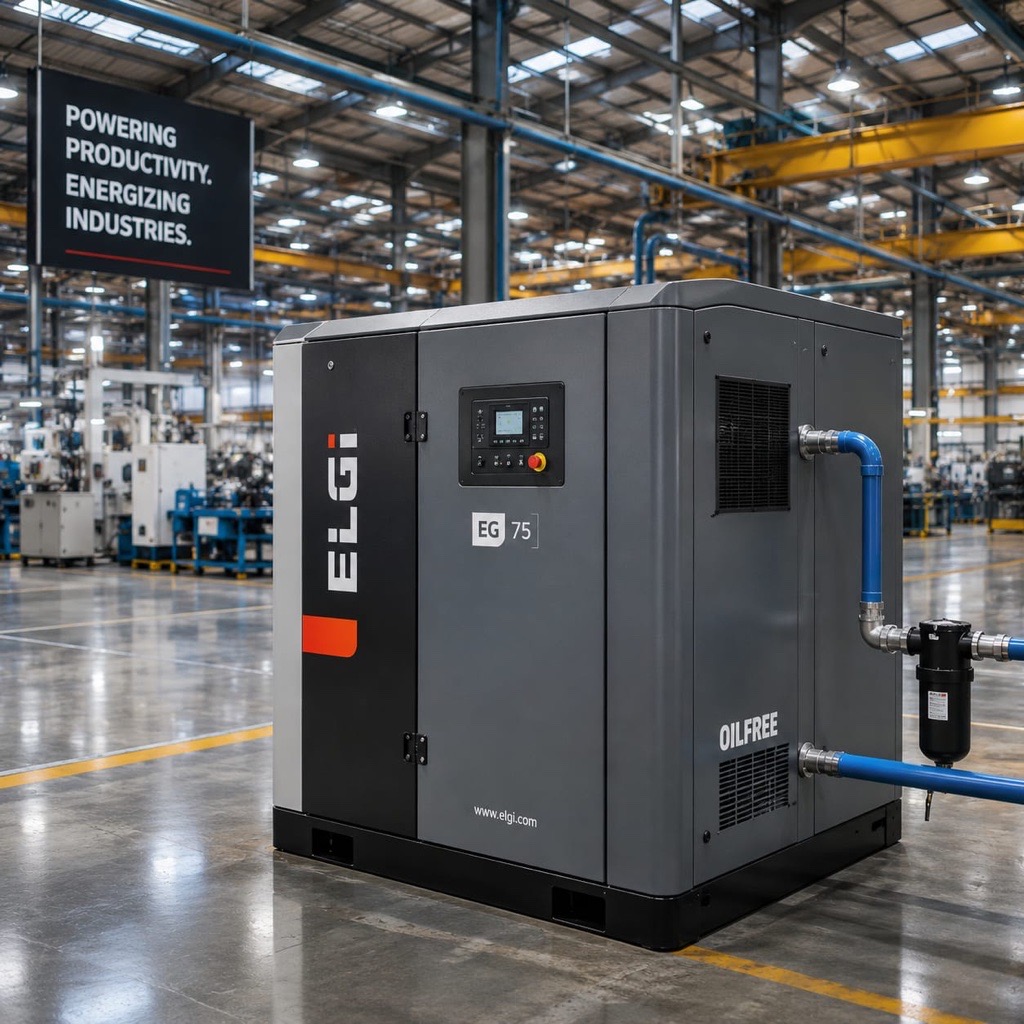
An air compressor plays a vital role in modern industries by supplying compressed air to power machinery, pneumatic tools, and automated production systems. Whether it's a manufacturing plant, automotive workshop, or construction site, a consistent air supply is essential for smooth operations.
One of the most common issues businesses face is an air compressor pressure drop. Even a small loss of pressure can reduce equipment efficiency, increase electricity consumption, and lead to higher maintenance costs.
Understanding the reasons behind pressure drops and taking preventive measures can help improve compressor performance, extend equipment life, and minimize unexpected downtime. In this guide, we'll discuss the most common causes of air compressor pressure drops along with practical solutions to keep your compressed air system running efficiently.
What Is an Air Compressor Pressure Drop?
An air compressor pressure drop refers to the reduction in air pressure as compressed air travels from the compressor to the point where it is used.
A slight pressure drop is considered normal in every compressed air system. However, excessive pressure loss indicates that something is restricting airflow or allowing compressed air to escape.
When pressure drops become significant, machines may not receive sufficient air pressure, resulting in:
- Lower equipment performance
- Higher energy consumption
- Reduced production efficiency
- Increased operating costs
Maintaining the correct pressure throughout the system is essential for maximizing productivity.
Common Causes of Air Compressor Pressure Drops
1. Air Leaks in the Compressed Air System
Air leaks are one of the biggest reasons for pressure loss. Even tiny leaks in pipes, fittings, hoses, or connectors can waste a significant amount of compressed air over time.
Signs of Air Leaks
- Hissing sounds around pipes or fittings
- Compressor running more often than usual
- Higher electricity bills
- Reduced air pressure at workstations
Solution
- Inspect the compressed air system regularly.
- Tighten loose fittings and connectors.
- Replace damaged hoses, seals, and valves.
- Repair leaking pipelines immediately.
Regular leak detection can save energy and improve overall compressor efficiency.
2. Clogged Air Filters
Air filters prevent dust and contaminants from entering the compressor. Over time, these filters become clogged, restricting airflow and causing unnecessary pressure drops.
Common Symptoms
- Reduced airflow
- Increased operating temperature
- Poor compressor performance
- Higher energy consumption
Solution
- Inspect filters during routine maintenance.
- Clean reusable filters when necessary.
- Replace dirty filters according to the manufacturer's recommendations.
Clean filters allow unrestricted airflow and improve compressor efficiency.
3. Blocked or Undersized Air Piping
The design of your compressed air piping system has a major impact on pressure performance.
Pipes that are too small, excessively long, or partially blocked create resistance, causing compressed air to lose pressure before reaching the equipment.
Common Causes
- Rust or corrosion inside pipes
- Dirt and debris buildup
- Incorrect pipe diameter
- Too many bends and elbows
Solution
- Install correctly sized air pipelines.
- Reduce unnecessary bends in the system.
- Clean or replace damaged piping.
- Design an efficient compressed air distribution network.
A properly designed piping system minimizes pressure loss and improves airflow.
4. Faulty Pressure Regulator
A pressure regulator controls the amount of compressed air delivered to equipment.
If the regulator becomes damaged or incorrectly adjusted, it can create inconsistent air pressure and reduce overall system performance.
Solution
- Inspect regulators during preventive maintenance.
- Adjust pressure settings according to equipment requirements.
- Replace faulty regulators when needed.
A properly functioning regulator ensures stable air pressure throughout the system.
5. Moisture Build-Up Inside the System
During the compression process, moisture naturally forms inside the air system.
If this moisture is not removed, it can accumulate inside pipelines and storage tanks, restricting airflow and contributing to pressure loss.
Solution
- Install a high-quality air dryer.
- Drain moisture from air receiver tanks regularly.
- Maintain condensate drains and moisture separators.
Removing moisture improves both compressor efficiency and equipment reliability.
6. Worn Internal Compressor Components
Like any industrial machine, compressor components wear over time.
Parts such as piston rings, valves, bearings, seals, and gaskets gradually lose efficiency, making it difficult for the compressor to maintain the required pressure.
Warning Signs
- Unusual operating noises
- Reduced compressed air output
- Longer running cycles
- Frequent equipment breakdowns
Solution
- Follow a preventive maintenance schedule.
- Replace worn components with genuine spare parts.
- Service the compressor according to the manufacturer's guidelines.
Routine maintenance helps prevent unexpected failures and extends equipment life.
7. High Compressed Air Demand
Sometimes the compressor isn't the problem.
If multiple machines are using compressed air at the same time, the demand may exceed the compressor's capacity, resulting in pressure drops throughout the system.
Solution
- Upgrade to a larger compressor.
- Install an additional compressor for peak demand.
- Optimize compressed air usage across the facility.
Choosing the correct compressor capacity prevents unnecessary pressure loss.
How Pressure Drops Affect Industrial Operations
Ignoring pressure drops can negatively impact your business in several ways.
Major Effects Include:
- Higher electricity costs
- Reduced equipment efficiency
- Lower production output
- Increased compressor wear
- Frequent maintenance expenses
- Unexpected machine downtime
Maintaining consistent air pressure helps improve productivity while reducing long-term operating costs.
Tips to Prevent Air Compressor Pressure Drops
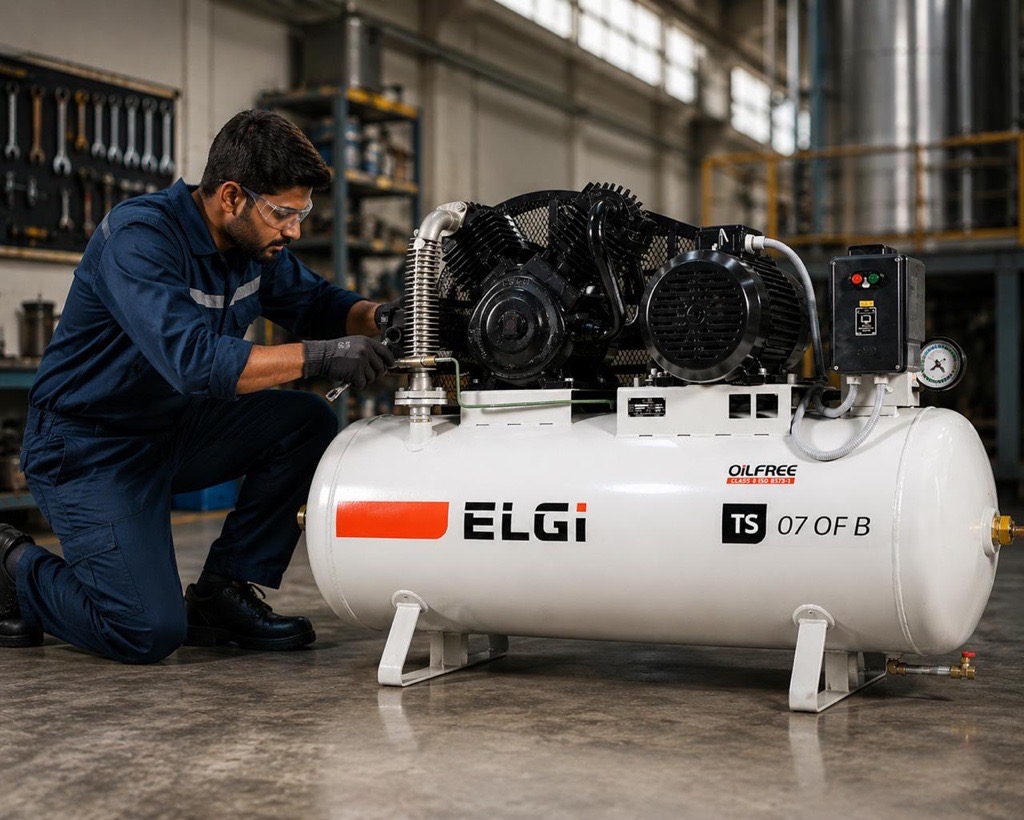
A well-maintained compressed air system performs more efficiently and lasts longer.
Best Maintenance Practices
- Inspect the system regularly for air leaks.
- Replace air filters on schedule.
- Monitor pressure gauges frequently.
- Drain moisture from storage tanks daily.
- Clean cooling systems periodically.
- Inspect regulators and valves.
- Use genuine replacement parts.
- Schedule professional preventive maintenance.
Preventive maintenance is one of the most effective ways to reduce pressure loss and improve compressor performance.
Choosing the Right Air Compressor
Selecting the right compressor is just as important as maintaining it properly.
Consider These Factors Before Buying
Airflow Requirement (CFM)
Choose a compressor that can supply enough compressed air for your equipment.
Operating Pressure
Ensure the compressor delivers the required working pressure consistently.
Energy Efficiency
Modern energy-efficient compressors help lower electricity bills while improving productivity.
Future Business Growth
Choose a compressor that can support future expansion without becoming undersized.
Conclusion
Air compressor pressure drops are common, but they should never be ignored. Problems such as air leaks, clogged filters, moisture buildup, blocked pipelines, faulty pressure regulators, worn internal components, and excessive air demand can all reduce compressor efficiency and increase operating expenses.
Regular inspections, preventive maintenance, and a properly designed compressed air system will help maintain consistent pressure, improve productivity, and extend equipment life. Investing in routine maintenance today can save your business significant repair costs in the future.
Why Choose Rahul Enterprises?
When it comes to reliable industrial air compressor solutions in Jodhpur, Rajasthan, Rahul Enterprises is a trusted name.
We provide genuine products, expert guidance, and dependable after-sales support to help businesses maximize compressor performance.
Our Services
- Genuine ELGi Air Compressors
- Professional Installation Support
- Compressor Maintenance & Repair Services
- Original ELGi Spare Parts
- Energy-Efficient Air Solutions
- Technical Consultation
- Reliable Customer Support
Whether you're purchasing a new compressor or maintaining an existing system, Rahul Enterprises provides complete compressed air solutions tailored to your business needs.
Frequently Asked Questions (FAQs)
1. What causes pressure drops in an air compressor?
Pressure drops are usually caused by air leaks, clogged filters, blocked pipelines, faulty pressure regulators, moisture buildup, worn components, or excessive air demand.
2. How can I reduce pressure loss in my compressed air system?
Regular maintenance, repairing leaks, replacing filters, cleaning pipelines, removing moisture, and servicing the compressor will significantly reduce pressure loss.
3. Is a small pressure drop normal?
Yes. A small pressure drop is expected in every compressed air system. However, excessive pressure loss should be investigated immediately.
4. How often should an air compressor be serviced?
Routine inspections should be carried out regularly, while preventive maintenance should follow the manufacturer's recommended service schedule.
5. Where can I buy genuine ELGi air compressors and maintenance services in Rajasthan?
Rahul Enterprises supplies genuine ELGi Air Compressors, original spare parts, installation services, maintenance support, and expert consultation for industries across Rajasthan.